🌍 SUSTAINABLE CONSTRUCTION: BUILDING A GREENER FUTURE
The construction industry is often criticized for its impact on the environment — and with good reason. Globally, construction contributes around 39% of carbon emissions and 40% of energy consumption. As cities expand and populations grow, the demand for housing and infrastructure continues to rise, placing pressure on natural resources and ecosystems.
The good news? The industry is now embracing sustainable practices across the entire production chain to minimize environmental harm. By adopting innovative methods, eco-friendly materials, and smarter designs, construction can move towards a future that is efficient, resilient, and environmentally responsible.
🔑Sustainable Building Practices briefly
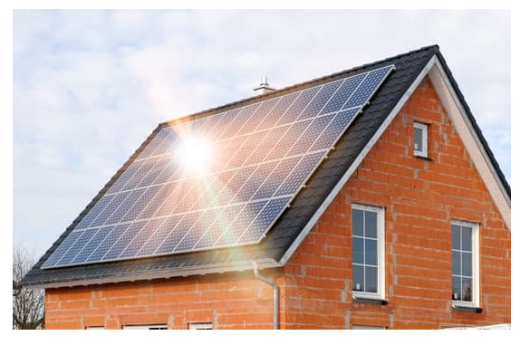
- Solar Power: Solar panels are one of the most common renewable energy sources used in sustainable buildings. Solar panels convert sunlight into electricity, reducing reliance on fossil fuels, cutting energy bills, and lowering emissions.
- Smart Technology: Building automation systems and smart technologies play a significant role in optimizing energy use. From smart thermostats that adjust heating and cooling based on occupancy to lighting systems that automatically turn off when rooms are unoccupied, these systems help reduce energy consumption and enhance overall efficiency.
- Geothermal Heating & Cooling: These systems harness the Earth’s natural energy to regulate temperature, providing efficient, low-carbon solutions and can provide reliable heating and cooling without relying on fossil fuels.
- Passive Design: Designing with natural sunlight, wind, and shading creates comfortable indoor environments without overusing energy.
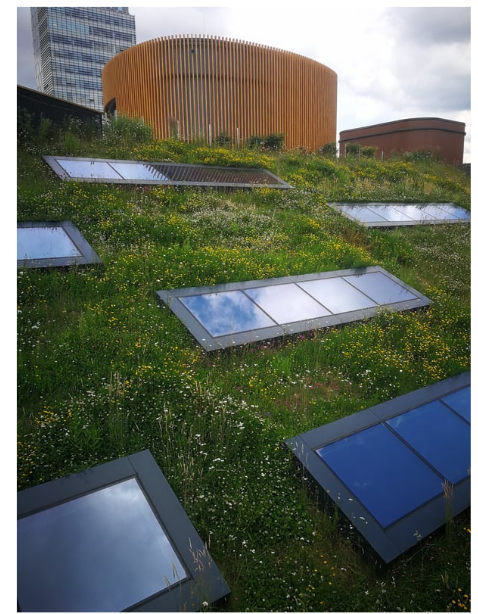
- Green Roofs & Walls: Green spaces on buildings reduce heat, improve air quality, and even provide opportunities for urban gardening.
- Sustainable Transport: Sustainable building practices also involve providing access to sustainable transportation options. By reducing the need for personal vehicles, these buildings can help reduce traffic congestion, air pollution, and carbon emissions.
✅ The Benefits of Sustainable Construction
- Waste Reduction: Unfortunately, the construction industry is one of the largest producers of waste. Sustainable building practices aim to minimise waste through efficient design, careful planning and recycling protocols minimize waste and cut landfill use.
- Sustainable Materials: The use of environmentally friendly materials, such as recycled, repurposed, or locally sourced materials reduces environmental impact.
- Water Conservation: Sustainable buildings incorporate Rainwater harvesting, greywater recycling, and efficient fixtures save water.
- Sustainable Site Development: Sustainable building also takes into account the impact on the surrounding environment. Protecting biodiversity, reducing land degradation, and integrating green spaces ensures long-term environmental balance. Sustainable site development aims to integrate buildings into their surroundings in a way that minimizes the disruption of natural ecosystems.
- Environmental Protection: Sustainable construction practices help reduce pollution, lessen the depletion of natural resources, and ultimately protect ecosystems and biodiversity. By adopting energy-efficient methods, using sustainable materials, and managing waste responsibly, the construction sector can decrease its ecological footprint.
🏗️ Literature Insights
- Environmental Impact: Resource extraction, energy-intensive processes, and emissions make construction one of the most environmentally taxing industries. A building’s life cycle – from its design and construction phases to its operation and eventual demolition – plays a crucial role in determining its overall sustainability.
- Waste Management: With 1.3 billion tons of annual construction waste, recycling, audits, and waste management plans are essential. Adopting waste management strategies, such as waste reduction, reuse, and recycling can help mitigate the environmental footprint of construction activities. Measures like developing a waste management plan, conducting waste audits, and encouraging on-site recycling can divert substantial amounts of waste from landfills and reduce resource consumption.
- Energy Efficiency: Buildings designed with energy efficiency in mind consume less energy during their operational phases, which results in lower utility expenses and decreased emissions. Passive solar design, insulation, and renewable energy systems are proven strategies to cut energy use and emissions.
- Green Certifications: Choosing sustainable materials is vital for enhancing the environmental performance of construction projects. Standards like LEED and BREEAM guide projects towards measurable sustainability goals. These certifications promote the integration of best practices in sustainable design, construction, and building operations.
🌱 Conclusion
Sustainable construction isn’t just a trend, it’s a necessary transformation. By integrating energy-efficient design, eco-friendly materials, smarter waste management, and innovative technologies, the industry can drastically reduce its carbon footprint while creating healthier, more resilient spaces.
The path to net-zero carbon buildings represents not only an environmental responsibility but also an economic and social opportunity: to build a world that is greener, smarter, and sustainable for generations to come.