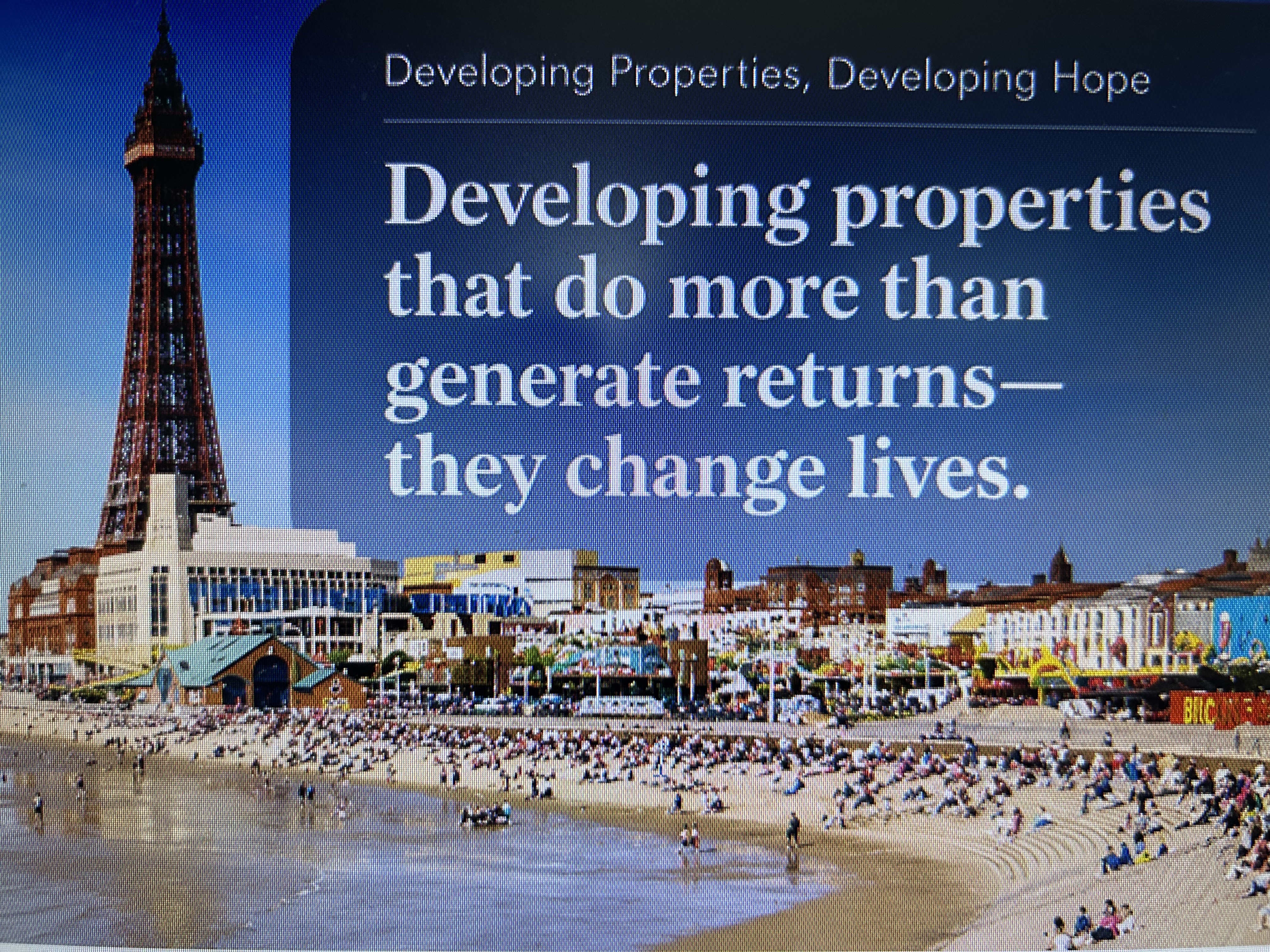
Developing Properties, Developing Hope
Why Housing for Vulnerable Young People Needs a Different Kind of Investor
Over recent months, I’ve been reading more and more reports about unregistered children’s homes being used across the UK.
The reality is uncomfortable.
Councils are under enormous pressure. Demand continues to rise, suitable placements remain limited, and local authorities are often forced into making decisions based on urgency rather than suitability.
What surprised me most is this:
Over the last nine years, the number of registered children’s homes has doubled, despite only a modest rise in the number of children requiring care.
So why are unregistered homes still being used?
Because this crisis isn’t simply about numbers.
It’s about having the right homes, in the right places, with the right support environment.
And increasingly, large institutional and private equity investors have entered the sector. While investment is needed, it does raise an important question:
Should vulnerable children become part of a system driven primarily by maximum financial return?
I believe there is another way.
Property With Purpose
My focus is on acquiring and developing properties that can genuinely support providers and improve outcomes for vulnerable young people.
Not just housing.
Homes.
Properties that are adapted around:
- stability,
- safety,
- dignity,
- and the practical needs of those delivering care and support.
When providers have the right environment to work within, they are far better positioned to help young people succeed.
Good housing should never be viewed as an afterthought in children’s services.
It is often the foundation that determines whether a young person progresses or struggles.
The Forgotten Group: Care Leavers
One of the biggest challenges sits just beyond children’s residential care itself — care leavers.
Currently, around 130,000 young people are transitioning out of care, with projections suggesting this could rise significantly over the coming years.
Many of these young people fall into the gaps between:
- housing,
- education,
- local authority support,
- and employment services.
I’ve attended meetings where examples were shared of young people missing educational opportunities because councils failed to coordinate properly across regions.
In other cases, support becomes inconsistent because staff change frequently, relationships are lost, and continuity disappears at the exact moment stability matters most.
We should not underestimate the impact that consistency can have on a young person’s future.
A Long-Term View
I believe we need to think differently about support between the ages of 15 and 25.
What if systems rewarded long-term outcomes instead of short-term placement management?
What if support workers and providers were incentivised to maintain continuity and help young people transition successfully into adulthood?
What if housing models were designed not just to accommodate, but to build independence?
Stable accommodation combined with consistent support can significantly improve outcomes in:
- education,
- employment,
- mental wellbeing,
- and long-term independence.
Investing Beyond Financial Return
This is why I believe socially focused property investment has an important role to play.
Private investors as opposed to large companies or corporations can often remain closer to the purpose:
- working collaboratively with councils,
- supporting providers,
- and helping create environments that genuinely improve lives.
Yes, investors should receive a fair and sustainable return.
But there is also the opportunity to create something more meaningful:
- safer housing,
- better outcomes,
- and long-term social impact.
At a time when so many young people risk being overlooked, property can become part of the solution rather than simply another commercial asset class.
That is what I mean by:
Developing Properties. Developing Hope.
If this is an area that interests you — whether as an investor, provider, housing professional, or someone passionate about improving outcomes for vulnerable young people — I’d be pleased to connect and continue the conversation.